
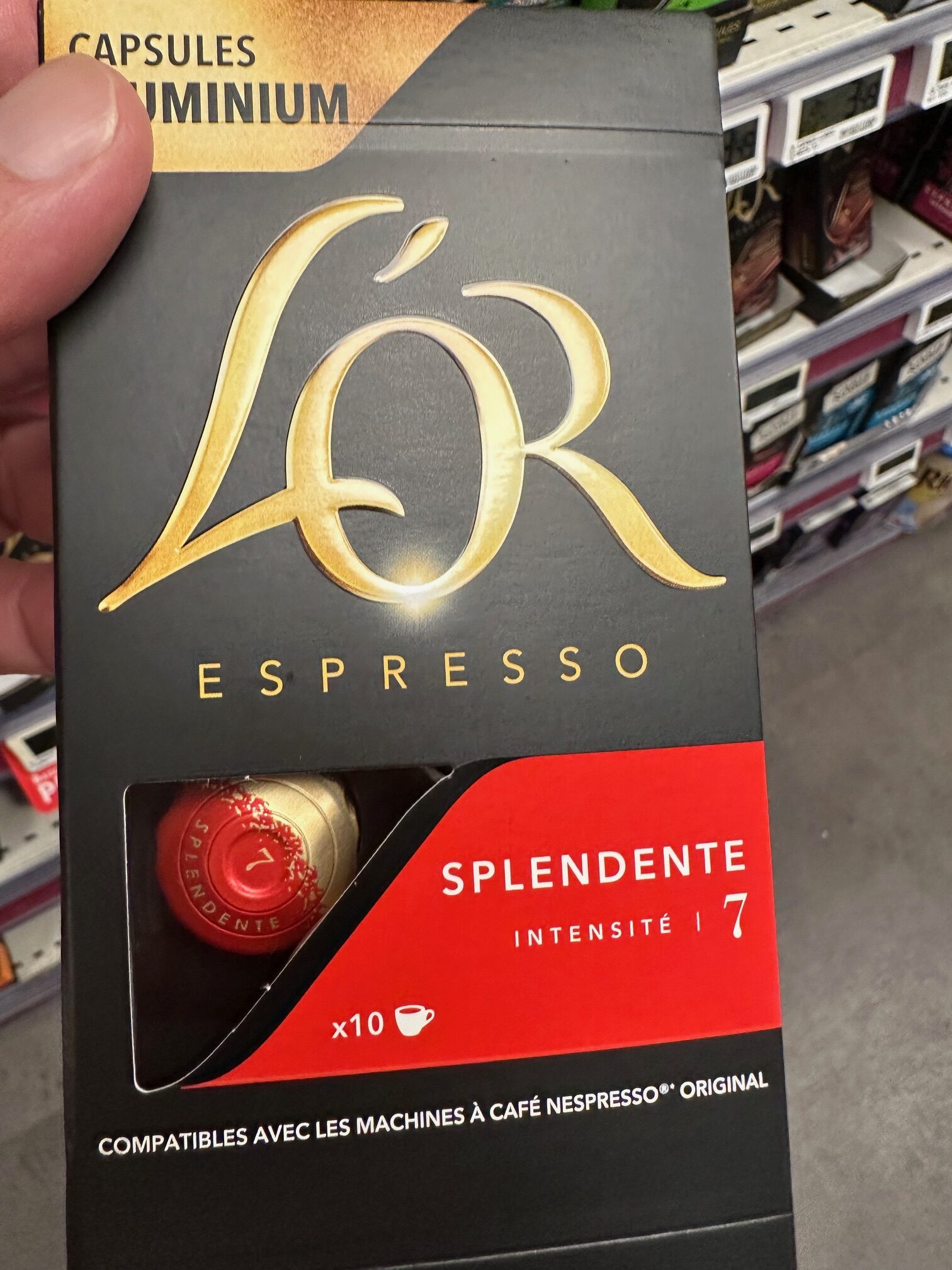
Disclosure: I was interviewed for my thoughts on coffee pods and then the writer left the publication so we are publhsing it here. -Theo Chan, Managing Editor
How do pod coffee machines impact the quality and flavor profile of the coffee compared to traditional brewing methods?
Pod coffee machines prioritize speed and consistency, producing coffee quickly and with minimal effort. The pre-packaged pods ensure each cup is consistent, but this can limit the depth and complexity of the flavor profile compared to traditional brewing methods. Techniques such as espresso and pour-over allow more control over brewing variables, enhancing the ability to extract a fuller range of flavors from the coffee beans. While pod machines offer convenience, they may not match the quality achievable with methods that provide greater adjustability in brewing parameters. Quality-wise, the downside is lower, but so is the ceiling.
What are the key differences in the brewing process between pod coffee machines and other popular methods such as espresso machines or drip coffee makers?
The primary difference to me lies in the balance between convenience and control. Pod machines are fast and consistent, designed with pre-measured, sealed coffee pods for ease of use. This ensures a uniform cup of coffee with each brew but offers less (or no) flexibility to adjust factors like grind size, water temperature, and brewing time. In contrast, espresso machines, manual methods, and conventional drip coffee makers require more user involvement but grant more control over the brewing process, allowing for a tailored coffee experience.
Can you discuss the environmental implications of using pod coffee machines, particularly in terms of waste generated by single-use pods?
The environmental implications of using pod coffee machines primarily center around the waste of single-use coffee pods, which is actually monumental given the frequency of use. These pods are often made of plastic and aluminum, materials that are not biodegradable and can be challenging to recycle. As a result, the convenience of pod machines contributes to significant environmental concerns, including increased landfill waste and resource consumption for production. Some manufacturers have introduced recycling programs or biodegradable pod options, but the overall impact remains a critical issue. Consumers are encouraged to consider these environmental factors when choosing their coffee brewing method, weighing the convenience of pod machines against the sustainability of traditional brewing methods that generate less waste.
According to the Environmental Protection Agency (EPA) and industry estimates, over 30 billion K-Cups and espresso pods are used globally each year, with most ending up in landfills due to their complex mix of plastic, aluminum, and organic material. While some brands offer recyclable or compostable options, consumer participation in recycling programs remains low.
In your opinion, what are the main advantages and disadvantages of using pod coffee machines, and how do these factors influence consumer preferences and purchasing decisions?
The main advantages of using pod coffee machines include convenience, speed, and consistency. They allow for a quick, easy way to brew a single cup of coffee with minimal cleanup, making them particularly appealing for busy individuals or those who prefer the simplicity of operation. The wide variety of available pod flavors also caters to diverse tastes and preferences. Quality wise…well, the average Nespresso pod review on our site is about 3.8…maybe a C or C+?
One thing I didn’t mention is that coffee pods are generally more expensive per cup than traditional brewing methods. As previously discussed, the environmental impact of single-use pods poses significant sustainability concerns. Additionally, pod coffee’s quality and flavor profile may only satisfy some coffee enthusiasts, especially those who value the depth of flavor and customization options available with manual brewing methods.
These factors significantly influence consumer preferences and purchasing decisions. Individuals prioritizing convenience and time-saving may lean towards pod machines despite the higher cost and environmental implications. In contrast, those valuing coffee quality, environmental sustainability, and cost-effectiveness may opt for traditional brewing methods. The choice often balances convenience and personal values, including ecological consciousness and taste preferences.