
What’s the most important thing to keep in mind when shopping for your first French press coffee maker, and why?
Build quality and filtration precision are essential. The plunger mechanism and mesh screen need to be tightly constructed to prevent grind leakage and ensure even extraction. Crappy ones on Amazon tend to develop mesh problems sooner, which means the whole plunger needs to be replaced. If parts are loose or poorly made, your coffee will be sludgy, gritty, or inconsistent. Focus on presses with sturdy construction and a well-fitted plunger. A simple, well-designed unit outperforms a flashy or overcomplicated one every time.
Does the amount of coffee you usually drink in one sitting impact the size or type of French press you should consider buying?
Yes. French presses perform best when used near their intended volume. If you usually drink one large cup, a press in the 17 to 20 ounce range is ideal. Brewing small amounts in a large press leads to heat loss and poor extraction. There are some comically oversized models that are generally awkward and unnecessary unless you regularly brew for multiple people. Brewing 12 oz in a 50-oz French Press will lead to some lousy coffee. These are more novelty items than a useful way of making coffee.
What’s the best French press carafe material for first-time users, and why?
Borosilicate glass is the best starting point. It offers heat resistance, durability, and crucially, complete visibility. Being able to see the color of the extraction, the level of the water, and whether any grinds are slipping through helps beginners and experienced users alike. Stainless steel may insulate better, but the tradeoff is a lack of visual feedback. For those who care about the process as much as the result, glass brings a clearer experience.
What factors might eliminate a French press as an option for your home coffee routine?
The French press method does not consistently deliver the most refined expression of light roast coffee. While a French press creates a full-bodied and often satisfying cup, it tends to soften or obscure the high notes and delicate structure that define great light roast coffees. If you are looking to showcase bright acidity, florals, or layered fruit, other methods like pour over or AeroPress are better suited. French press excels at richness but not always clarity.
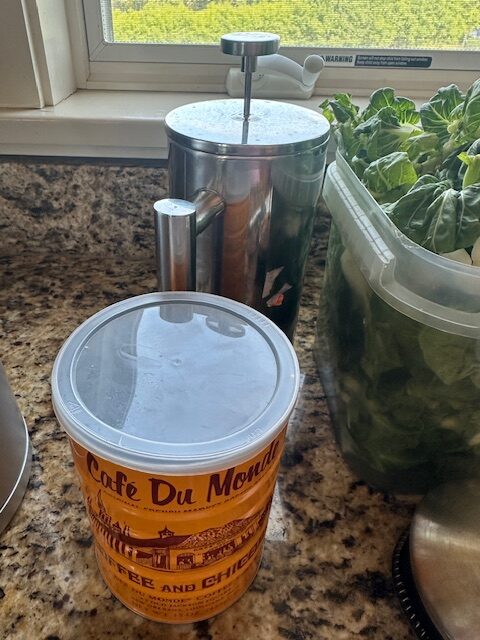
One thing that I will add is that at least once a week, I use my leftover bags of coffee to make cold brew with a French press (it’s the main thing I use my French press for).